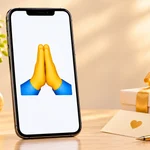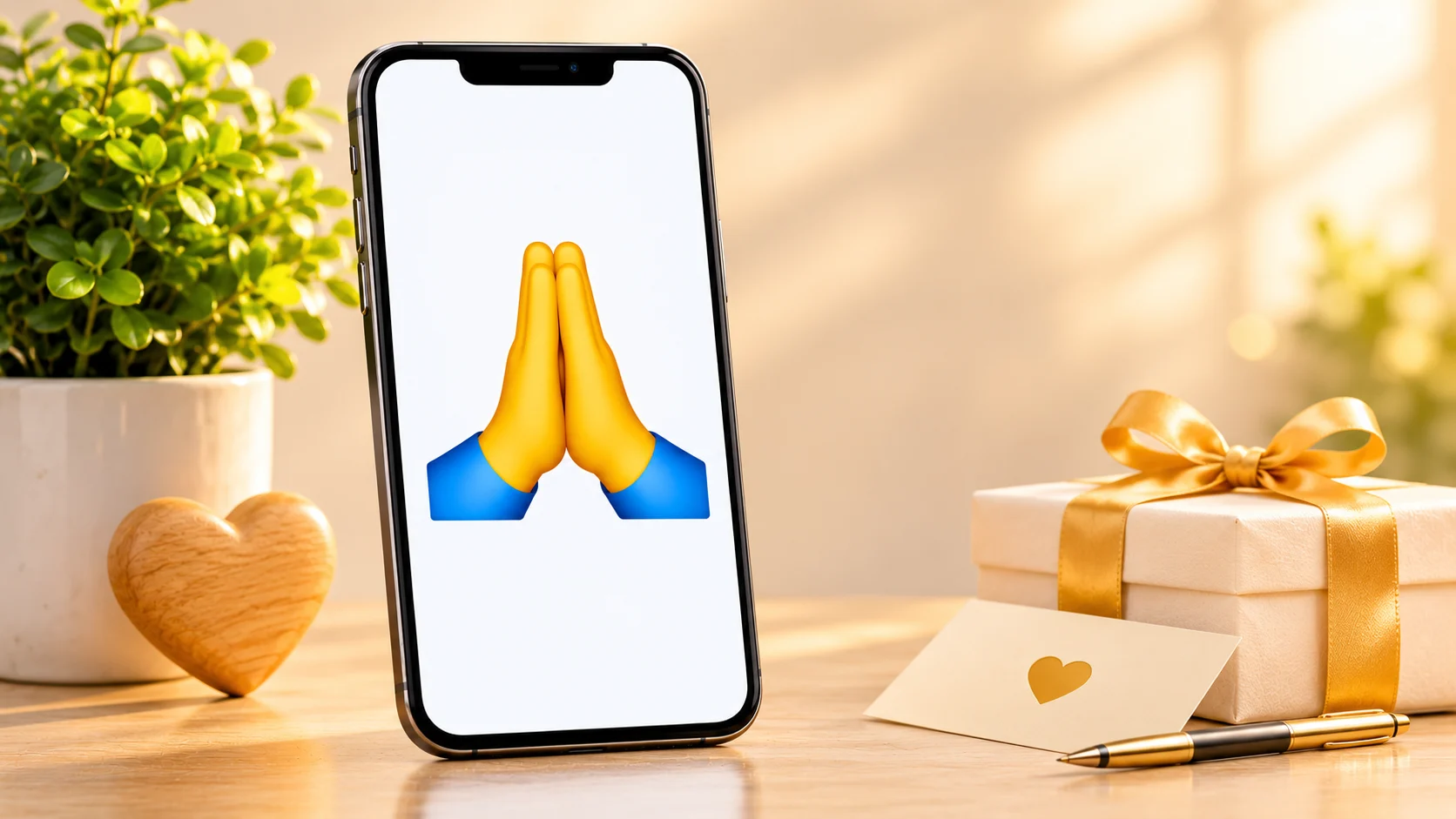
The 🙏 emoji commonly means thank you, gratitude, appreciation, prayer, or asking for something politely. It usually expresses respect and sincerity, but its exact meaning depends on the conversation.
The thank you emoji 🙏 is a common way to express gratitude, appreciation, respect, or a polite request in digital conversations. Officially named Folded Hands, this emoji shows two hands pressed together and is often used when someone wants to say thanks, show support, or express hope. Although many people use it as a simple thank-you gesture, it can also represent prayer or a sincere request.
Understanding the surrounding words and conversation helps distinguish these meanings and prevents common misunderstandings, especially when interpreting 🙏 in personal messages, social media comments, or everyday texts.
What Does the 🙏 Thank You Emoji Mean?
The 🙏 emoji usually communicates gratitude, appreciation, or a sincere request. Its folded-hands gesture gives it a respectful and thoughtful tone.
People commonly use it to express:
- Thankfulness: Showing appreciation when someone helps or supports them.
- Gratitude: Acknowledging a kind gesture, favor, or thoughtful message.
- Respect: Expressing politeness or appreciation toward another person.
- Prayer: Representing religious devotion, hope, or a spiritual moment.
- Polite requests: Asking someone for help or a favor in a gentle way.
- Support: Showing encouragement, sympathy, or good wishes.
For example, “Thank you for helping me 🙏” clearly communicates appreciation. However, “Please wish me luck tomorrow 🙏” uses the same emoji to express hope or make a sincere request.
The emoji does not have one fixed meaning in every conversation. The words surrounding it help explain what the sender intends.
What Does 🙏 Mean in Text Messages?
In text messages, 🙏 often adds warmth and sincerity to a short response. It can make an ordinary thank-you message feel more appreciative or show that someone genuinely values another person’s help.
Here are some examples of how it may appear in everyday conversations:
| Example message | Likely meaning | Context |
|---|---|---|
| “Thank you so much 🙏” | Gratitude | Appreciating someone’s help |
| “I really appreciate it 🙏” | Sincere thanks | Recognizing a kind gesture |
| “Please help me 🙏” | Polite request | Asking for assistance |
| “Hope everything goes well 🙏” | Hope or prayer | Wishing for a positive outcome |
| “I’m always grateful for you 🙏” | Deep appreciation | Expressing personal gratitude |
The same emoji can communicate different feelings depending on the message. For this reason, it is better to read the complete sentence rather than interpret the folded hands alone.
Is 🙏 a Thank You Emoji or a Prayer Emoji?
It can represent both.
The official Unicode name is Folded Hands, not Thank You or Prayer. However, its appearance is widely associated with gratitude, prayer, respect, and polite requests.
The thank-you interpretation is especially clear when it follows messages such as:
- “Thanks for everything 🙏”
- “I appreciate your kindness 🙏”
- “You really helped me today 🙏”
In spiritual or religious conversations, it may represent prayer, faith, or devotion.
For example, “Praying for better days 🙏” suggests a spiritual meaning rather than a simple thank-you message.
The important difference is context: when someone responds to a favor, 🙏 often means thank you. When someone discusses faith, hope, or prayer, it may have a spiritual meaning.
What Does 🙏 Mean From Someone?
When someone sends 🙏, they may be expressing appreciation, respect, hope, or a polite request. The exact meaning depends on what happened earlier in the conversation.
Here are a few common situations:
- After receiving help: “You saved my day 🙏” expresses sincere gratitude.
- After receiving good advice: “Thank you, I needed that 🙏” shows appreciation.
- Before an important event: “Wish me luck tomorrow 🙏” expresses hope.
- When asking for a favor: “Please send it today 🙏” makes the request sound more polite.
The sender’s relationship with you does not automatically change the emoji’s meaning. Friends, family members, coworkers, and acquaintances can all use it to express similar feelings.
Is 🙏 a Religious Emoji?
The 🙏 emoji can have a religious meaning, especially when used in conversations about faith, worship, blessings, or prayer.
For example:
- “Praying for my family 🙏” — Expresses prayer and spiritual concern.
- “May God bless you 🙏” — Communicates a religious blessing.
- “Keeping everyone in my prayers 🙏” — Shows spiritual support.
However, it is not exclusively religious. Someone can use 🙏 simply to say thank you, ask politely, or show appreciation without intending a religious message.
Does 🙏 Mean a High Five?
Some people interpret 🙏 as two hands coming together for a high five. This interpretation exists, but it is not the only or defining meaning of the emoji.
The Unicode character description identifies the gesture as folded hands and includes meanings such as pleading, praying, bowing, and thanking. Unicode+1
A useful distinction is:
- 🙏 Folded Hands: Gratitude, prayer, respect, or a sincere request.
- 🙌 Raising Hands: Celebration, excitement, or praise.
- 👏 Clapping Hands: Applause, congratulations, or appreciation.
If you want to communicate a high five clearly, words such as “high five!” can remove any confusion.
Related Hand Emojis and Their Meanings
Several hand gestures can express appreciation, support, celebration, or respect. However, their visual appearance and conversational meaning are different.
| Emoji | Official Name | Common Meaning | Tone | Where or When It Is Used |
|---|---|---|---|---|
| 🙏 | Person with Folded Hands | Thanks, prayer, or requests | Respectful, sincere | Thank-you messages and prayers |
| 🤲 | Palms Up Together | Offering, receiving, or praying | Hopeful, supportive | Blessings and sincere wishes |
| 🙌 | Raising Hands | Celebration and excitement | Joyful, enthusiastic | Good news and achievements |
| 👏 | Clapping Hands | Applause and appreciation | Celebratory | Congratulations and praise |
| 🫶 | Heart Hands | Love, care, and appreciation | Affectionate | Supportive and loving messages |
| 🤝 | Handshake | Agreement and cooperation | Respectful, professional | Deals, teamwork, and understanding |
| 👐 | Open Hands | Openness, welcome, or a hug | Warm, welcoming | Friendly greetings and support |
Which Hand Emoji Should You Choose?
The best choice depends on the feeling you want to express.
- Use 🙏 when saying thank you, making a sincere request, or expressing prayer.
- Use 🫶 when showing affection, love, or heartfelt appreciation.
- Use 👏 when congratulating someone or appreciating an achievement.
- Use 🙌 when celebrating exciting news.
- Use 🤝 when expressing agreement or cooperation.
- Use 🤲 when suggesting prayer, hope, or giving and receiving.
Although these emojis share some meanings, they are not interchangeable in every situation.
How to Respond to the 🙏 Emoji
Your response should match the reason someone sent it. You can keep it simple and natural.
| Situation | Natural response |
|---|---|
| Someone thanks you | “You’re very welcome!” |
| Someone appreciates your help | “Happy to help anytime 😊” |
| Someone asks for a favor | “Sure, I’d be glad to help.” |
| Someone asks for prayers or good wishes | “Wishing you all the best!” |
| Someone sends a blessing | “Thank you, same to you!” |
If the person sends 🙏 without any words, consider the earlier conversation before deciding how to respond.
Does the 🙏 Emoji Look Different on iPhone and Android?
Yes. The appearance of 🙏 can vary slightly across Apple, Google, Samsung, and other platforms. Differences may include hand shape, skin tone, sleeve color, and overall design.
However, the basic folded-hands gesture remains recognizable. These visual differences do not create separate official meanings.
The emoji also supports different skin-tone variations, allowing people to choose an appearance that suits their preference.
Official Name and Unicode Details
The Unicode Consortium provides the official identification details for 🙏.
| Detail | Information |
|---|---|
| Emoji | 🙏 |
| Unicode character name | Person with Folded Hands |
| Common emoji name | Folded Hands |
| Unicode code point | U+1F64F |
| Category | People & Body |
| Subcategory | Hands |
| Unicode version | Unicode 6.0 |
| Approval year | 2010 |
The Unicode character description includes praying, pleading, bowing, and thanking as possible interpretations. Its common use as a thank-you gesture comes from how people apply it in everyday communication. Unicode+2
Copy and Paste the Thank You Emoji
🙏
Folded Hands Emoji Copy 🙏
You can use 🙏 in text messages, social media captions, comments, emails, and thank-you notes whenever you want to express gratitude, respect, or appreciation.
FAQs
What does 🙏 mean from a girl or a boy?
It generally means the same thing regardless of the sender’s gender. It can express gratitude, prayer, respect, or a polite request. The conversation provides better clues than gender.
Does 🙏 mean thank you or please?
It can mean both. When someone sends it after receiving help, it often means thank you. When it appears beside a request, it may mean please.
Is 🙏 always a religious emoji?
No. It can represent prayer or faith, but it is also widely used in ordinary conversations to express appreciation, gratitude, and respect.
Is 🙏 different from 🥺?
Yes. 🙏 usually represents gratitude, prayer, or a sincere request. 🥺, officially called Pleading Face, often expresses vulnerability, sadness, or an emotional appeal.
What does 🙏 mean when someone sends it alone?
When sent without words, it may communicate thanks, appreciation, a request, or a prayer. The previous conversation is usually the best way to understand its meaning.
Is 🙏 appropriate for professional messages?
Yes. It can express appreciation or politeness in casual professional conversations. However, in formal business emails, writing a clear thank-you sentence is often more suitable.
Conclusion
The 🙏 thank you emoji is a versatile gesture that commonly expresses gratitude, appreciation, respect, prayer, and polite requests. Although its official Unicode name is Person with Folded Hands, people use it in many everyday situations beyond religious conversations. Its intended meaning depends on the surrounding message and relationship between the people communicating. Someone uses it to say thanks, ask for help, or share a blessing, 🙏 generally adds a sincere and respectful feeling.
See Also More:
- Beggar Emoji Meaning | What It Means in Text and How to Use It In 2026
- Sexy Emoji Meaning | What These Emojis Really Mean In 2026
- Fist Emoji | What It Means in Text, Support, Solidarity & More In 2026