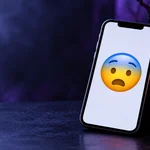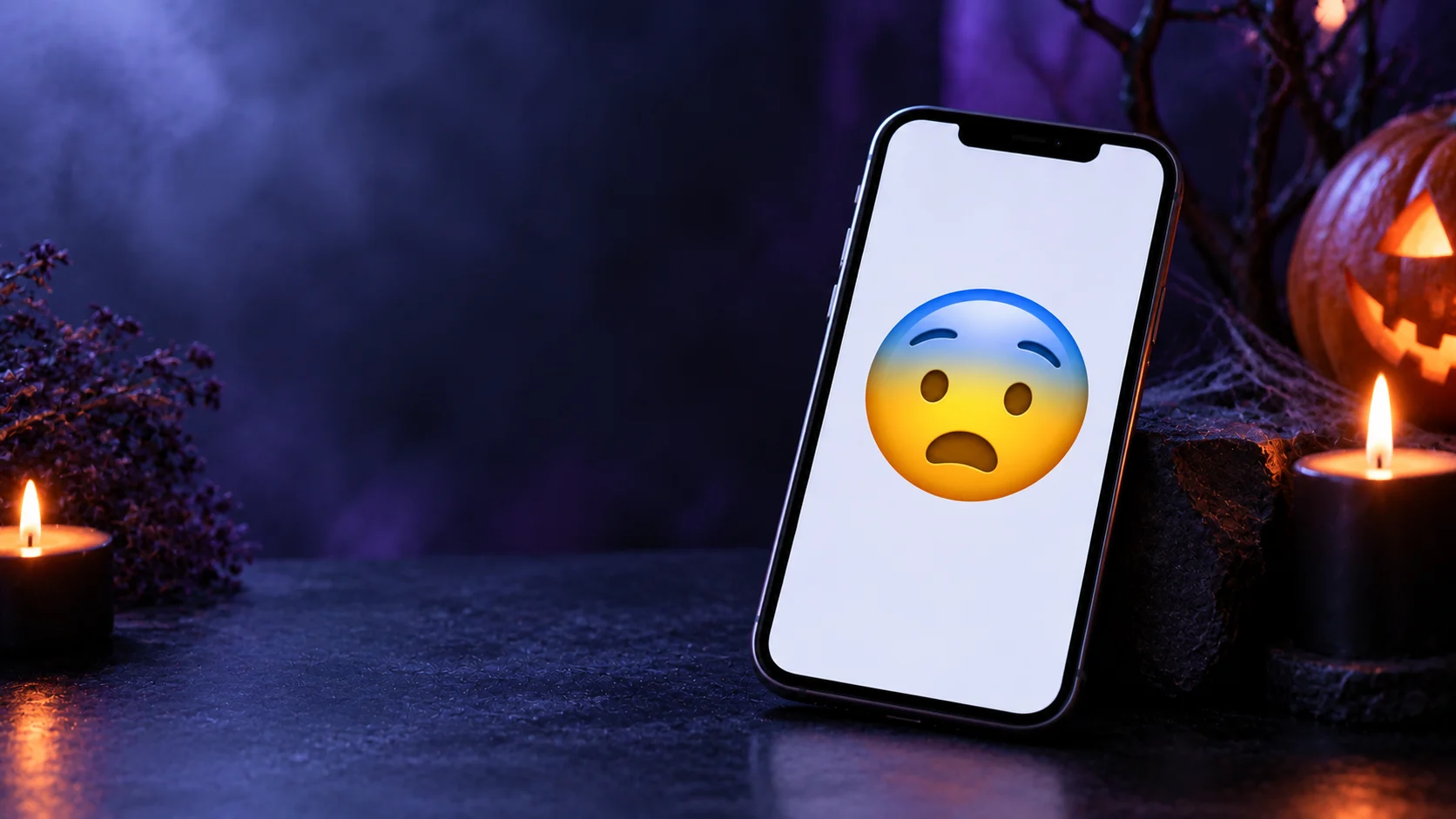
The scary emoji 😨 usually represents fear, worry, nervousness, or alarm. Other scary-looking emojis, such as 😱 and 👻, can express extreme shock, horror, or a playful spooky mood, depending on the conversation.
The scary emoji can refer to several different emojis, depending on the feeling you want to express. 😨, officially called Fearful Face, is useful for showing fear, anxiety, or concern. 😱, known as Face Screaming in Fear, often conveys a stronger reaction, such as being terrified or completely shocked.
Meanwhile, 👻 (Ghost) is commonly associated with spooky stories, Halloween, and playful horror. These emojis can communicate real concern, exaggerated reactions, or lighthearted fun. Understanding the words around an emoji helps you decide the sender is frightened, surprised, joking, or simply enjoying a spooky moment.
What Does the Scary Emoji Mean? 😨
The 😨 emoji usually represents fear, worry, nervousness, or alarm. Its raised eyebrows, wide eyes, and tense expression make it useful when something seems frightening, uncertain, or stressful.
People commonly use it to express:
- Fear: Reacting to something frightening or unexpected.
- Worry: Showing concern about a situation.
- Nervousness: Expressing anxiety before an important event.
- Apprehension: Suggesting that something feels risky or unsettling.
- Playful fright: Reacting dramatically to a scary movie, story, or surprise.
For example, “I have my final exam tomorrow 😨” communicates nervousness, while “That movie was terrifying 😨” expresses fear.
The emoji does not necessarily mean someone is genuinely scared. Friends may use it to exaggerate a reaction or add humor to an ordinary situation.
😱 vs. 😨: What’s the Difference?
Although both emojis express fear, their facial expressions suggest different levels of intensity.
😨
😨 Fearful Face
Expresses worry, apprehension, or fear. It is useful for nervous reactions, unsettling news, or situations that make someone uncomfortable.
😱
😱 Face Screaming in Fear
Communicates a more dramatic reaction, such as intense fright, shock, or overwhelming surprise. It can also exaggerate excitement or disbelief.
For example, “I heard a strange noise 😨” suggests concern, while “That jump scare got me 😱” conveys a much stronger reaction.
Neither emoji has a fixed emotional intensity in every conversation, but their expressions make this a helpful distinction.
What Does 😨 Mean in Texting?
In text messages, 😨 adds an emotional reaction that words alone may not fully convey. It can express genuine concern, nervous anticipation, or playful drama.
| Example message | Likely meaning | Context |
|---|---|---|
| “I forgot about the deadline 😨” | Worry | The sender is concerned about a mistake. |
| “Did you hear that noise? 😨” | Fear or uncertainty | Something seems unsettling. |
| “My presentation starts in five minutes 😨” | Nervousness | The sender feels anxious about performing. |
| “That ending was so scary 😨” | Fear | The message discusses a frightening story. |
| “You paid how much for that? 😨” | Shock or disbelief | The emoji emphasizes surprise. |
The surrounding words help clarify the intended meaning. A message about an exam suggests nervousness, while a message about a horror movie points toward fear.
Scary Emojis and Their Meanings
Different scary-looking emojis communicate different emotions, from mild concern to dramatic fright and spooky fun.
| Emoji | Official Name | Common Meaning | Tone | Where or When It Is Used |
|---|---|---|---|---|
| 😨 | Fearful Face | Fear, worry, or apprehension | Anxious | Nervous messages and unsettling situations |
| 😱 | Face Screaming in Fear | Intense fear, shock, or surprise | Dramatic | Jump scares and shocking reactions |
| 😰 | Anxious Face with Sweat | Anxiety and nervousness | Tense | Stressful situations and worrying news |
| 😧 | Anguished Face | Distress, concern, or alarm | Troubled | Unexpected or upsetting situations |
| 😦 | Frowning Face with Open Mouth | Concern or surprise | Uneasy | Unexpected news and worried reactions |
| 😳 | Flushed Face | Embarrassment or astonishment | Awkward or surprised | Unexpected revelations and uncomfortable moments |
| 👻 | Ghost | Ghosts, Halloween, or spooky fun | Playful or spooky | Halloween posts and ghost stories |
| 💀 | Skull | Death-related imagery or exaggerated reactions | Dark or humorous | Spooky themes and dramatic online reactions |
These emojis are related, but they are not interchangeable. 😨 is especially useful for fear and worry, 😰 emphasizes anxiety, and 😱 conveys a more dramatic reaction. 👻 is better suited to ghost-related themes, while 💀 can express dark humor or an exaggerated reaction depending on context.
Official emoji names are listed in the Unicode Consortium’s emoji charts.
What Does the Scary Emoji Mean on Social Media?
On social media, scary emojis can accompany reactions, entertainment posts, spooky themes, and surprising announcements.
Their meanings depend on the content:
- Horror content: 😨 or 😱 can react to frightening scenes or suspenseful moments.
- Halloween posts: 👻 can represent costumes, decorations, or spooky celebrations.
- Unexpected news: 😱 can emphasize disbelief or amazement.
- Nervous situations: 😰 can communicate stress about an upcoming event.
- Playful exaggeration: 😨 or 😱 can make an ordinary problem sound dramatically frightening.
For instance, “I have to speak in front of everyone tomorrow 😰” expresses anxiety, whereas “The ending of that movie 😱” suggests shock or a dramatic reaction.
Do not assume that every scary-looking emoji signals real fear. Some messages use these expressions humorously.
How to Respond to a Scary Emoji
The best response depends on the sender appears worried, frightened, surprised, or playful.
- If someone seems worried: “What happened? Is everything okay?”
- If they react to a horror movie: “Was it really that scary? 😱”
- If they are nervous about an event: “You’ve got this! Good luck.”
- If they are joking: “Haha, it wasn’t that bad! 😅”
- If their meaning is unclear: “Wait, what happened?”
When a message sounds genuinely concerning, respond to the words as well as the emoji. A thoughtful question is more helpful than assuming the person is joking.
Official Name and Unicode Details
The term “scary emoji” is an informal description rather than the official name of one specific character. If you mean 😨, its official name is Fearful Face.
| Detail | Information |
|---|---|
| Emoji | 😨 |
| Official Unicode name | Fearful Face |
| Unicode code point | U+1F628 |
| Category | Smileys & Emotion |
| Unicode version | Unicode 6.0 |
| Approval year | 2010 |
The related 😱 emoji has the official name Face Screaming in Fear and the code point U+1F631. Both appear in the Unicode emoji standard.
Copy and Paste Scary Emojis
Choose the expression that best matches your message.
😨
Fearful Face
Copy
😱
Face Screaming in Fear
Copy
😰
Anxious Face with Sweat
Copy
👻
Ghost
Copy
💀
Skull
Copy
FAQs
What is the most common scary emoji?
😨 is a suitable choice for fear, worry, or nervousness. 😱 is another widely recognized option when you want to express a more dramatic reaction.
What does 😱 mean in a text?
It usually expresses intense fear, shock, or surprise. Depending on the message, it can also exaggerate excitement or disbelief.
Is 😨 different from 😰?
Yes. 😨 is called Fearful Face and emphasizes fear or apprehension. 😰 is called Anxious Face with Sweat and more directly suggests anxiety, nervousness, or stress.
Which emoji is best for Halloween?
👻 is a natural choice for ghosts, Halloween decorations, and playful spooky messages. 😱 and 😨 work well when reacting to frightening stories or horror movies.
Can a scary emoji be used jokingly?
Yes. People may use 😨 or 😱 to exaggerate everyday worries, react dramatically to unexpected news, or joke about a harmless situation. The surrounding message helps clarify the tone.
Does 😨 always mean someone is scared?
No. It can indicate worry, nervous anticipation, surprise, or playful exaggeration. The emoji alone cannot establish exactly how someone feels.
Conclusion
Scary emojis help express fear, anxiety, shock, and spooky fun in digital conversations. 😨 is a useful choice for worry or apprehension, while 😱 communicates a more dramatic reaction. For Halloween and ghost-related messages, 👻 is often a better fit. Choosing the right emoji depends on the emotion you want to convey and the context in which you use it.
See Also More :
- Teeth Emoji Meaning | Smiles, Dental Care & Everyday Texts In 2026
- Eggplant Emoji | What It Really Means in Texts & Social Media In 2026
- Fox Emoji | What It Means in Texts, Chat & Social Media In 2026